The Importance of Proper Residential Electrical Maintenance
In every home, the electrical system is a cornerstone of modern convenience and comfort. However, many homeowners underestimate the importance of regular maintenance for these systems until a problem arises. The risks associated with neglecting electrical maintenance can range from minor inconveniences to significant safety hazards, which include potential electrical fires and prolonged power outages. Conversely, proactive electrical upkeep offers numerous benefits, from improved safety and energy efficiency to compliance with current safety standards. In this article, we'll explore the critical reasons behind proper residential electrical maintenance, outline the key benefits, and provide guidance on how to effectively manage and maintain these vital systems.
1. Understanding Residential Electrical Systems
1.1 Components of a Home Electrical System
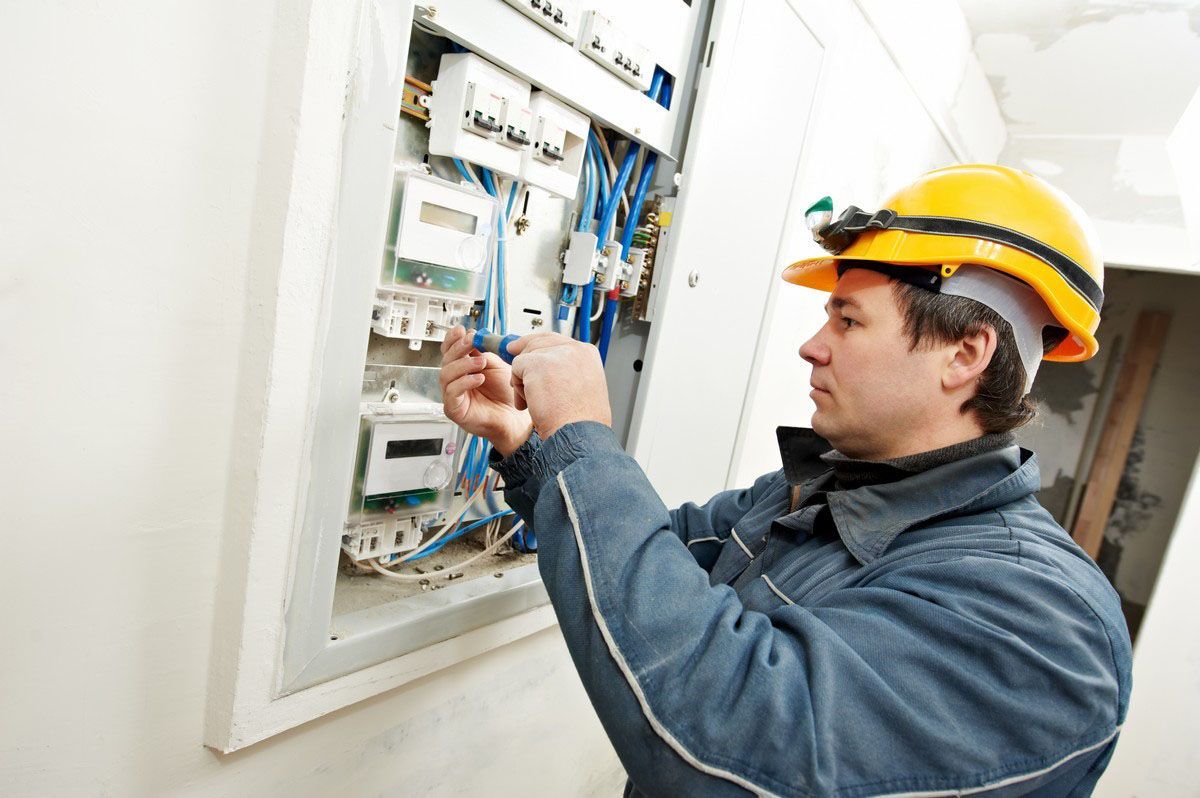
A modern residential electrical system is a complex network that includes the main electrical panel, subpanels, wiring, outlets, and switches. Additionally, it encompasses components such as fuses, circuit breakers, and conduits that guide electricity safely throughout the home. Understanding these components helps in identifying potential issues and planning for regular maintenance. Together, they form a system that not only provides power but also ensures safety through regulated electric flow. Proper care and attention to these components are vital for maintaining their functionality and safety.
1.2 The Functionality of Circuit Breakers
Circuit breakers are essential safety devices within an electrical system. They automatically shut off electrical flow to protect circuits from overloads and short circuits. When properly maintained, circuit breakers help prevent electrical fires and other hazards by interrupting power in abnormal conditions. However, a faulty or outdated circuit breaker can fail to protect, underscoring the need for regular inspections. Knowing how circuit breakers function allows for timely interventions and maintenance, ensuring home safety and operational efficiency.
1.3 Importance of Wiring and Connections
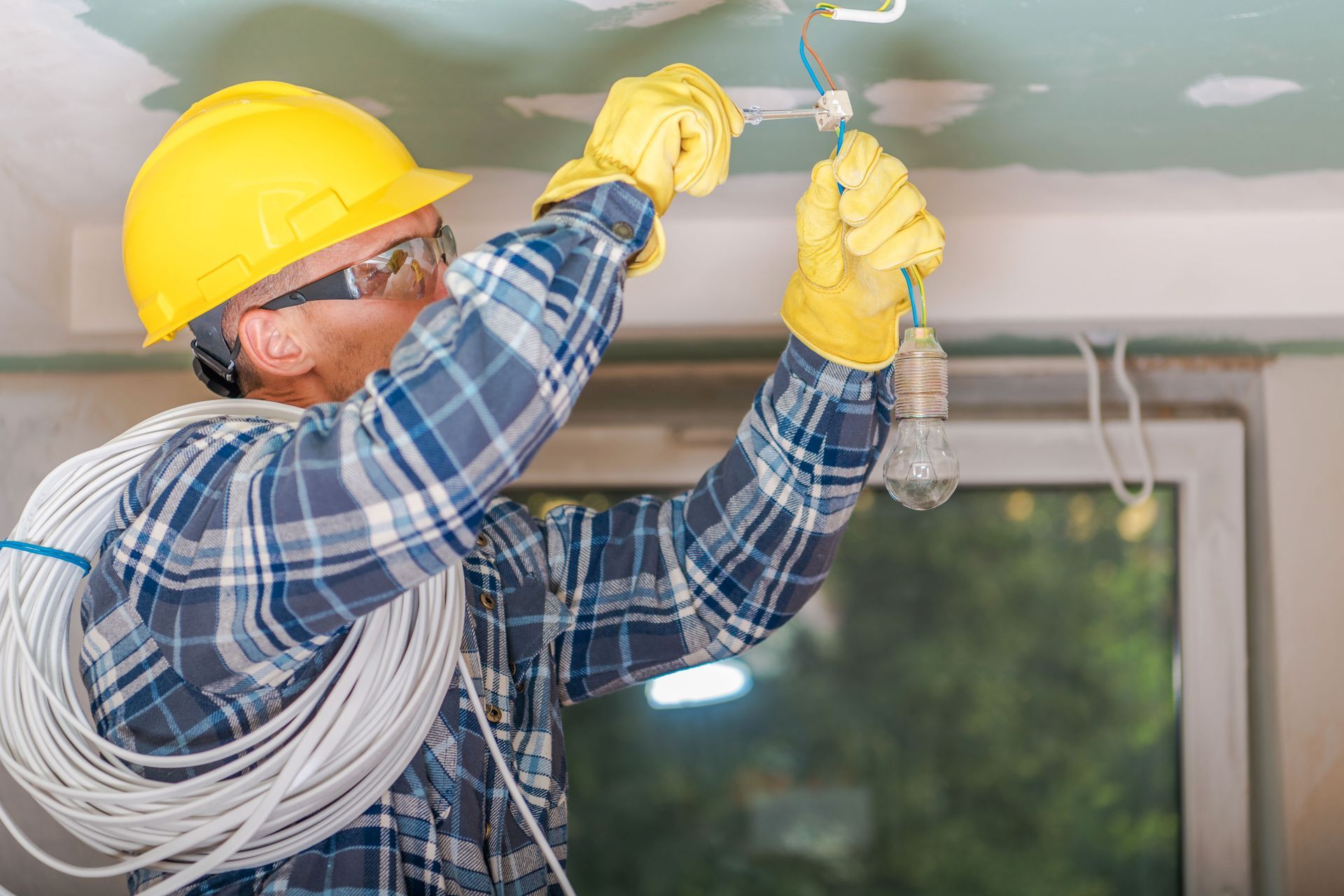
Wiring and electrical connections are crucial for distributing power safely and efficiently. Poor or outdated wiring can lead to overheating, short circuits, or even fires, posing serious risks to home safety. Regular inspections can unearth such issues, enabling timely repairs or upgrades to enhance safety. Ensuring connections are secure and that the wiring is up to standard prevents these potential hazards. Thus, the integrity of a home's wiring and connections is fundamental to both everyday functioning and long-term safety.
1.4 Common Electrical Problems in Homes
Common electrical problems include frequent circuit breaker trips, flickering lights, and faulty outlets. These issues are often symptomatic of larger underlying problems such as overloaded circuits or deteriorating wiring. According to Bob Vila, electrical issues are the main type of repair plaguing 66% of households, highlighting the prevalence of such problems. Addressing these issues promptly can prevent more severe damage and ensure the continued safe operation of electrical systems. Regular maintenance and professional inspections are key strategies for identifying and mitigating these common problems.
2. Identifying Signs of Electrical Problems
2.1 Flickering or Dimming Lights
Flickering or dimming lights can often serve as an early warning sign of electrical issues within a home. These fluctuations in light levels are typically caused by voltage fluctuations, which may occur due to loose connections or overextended circuits. When left unchecked, these seemingly minor problems can develop into more significant issues, like electrical fires or appliance malfunctions. By identifying and addressing these signs promptly, homeowners can prevent more extensive damage to their electrical systems and ensure their homes remain safe and functional. Consulting with a professional residential electrician can provide a more comprehensive diagnosis and remedy.
2.2 Frequent Tripping of Circuit Breakers
When circuit breakers trip frequently, it indicates that the system is experiencing overloads or short circuits. This frequent interruption of power can be both a nuisance and a sign of underlying problems that require swift attention. Overloaded circuits due to excessive appliance use or faulty wiring can damage appliances and pose safety hazards. Regular maintenance and proper electrical assessments can reveal the root of these issues, allowing for necessary upgrades or repairs. Homeowners should not ignore this warning sign as it represents an urgent need for evaluation and intervention.
2.3 Unusual Burning Smells
An unusual burning smell emanating from electrical outlets or appliances is a serious indicator of electrical malfunction or overheating components. Such odors often suggest that wiring insulation is burning, which can quickly escalate into a fire hazard. Immediate action should be taken to identify and rectify the source of the smell, possibly involving the services of a professional residential electrician. Regular maintenance helps to identify wiring issues before they reach a critical point. Homeowners should consider any such odors as cause for immediate concern and seek expert evaluation.
2.4 Hot or Discolored Switches and Outlets
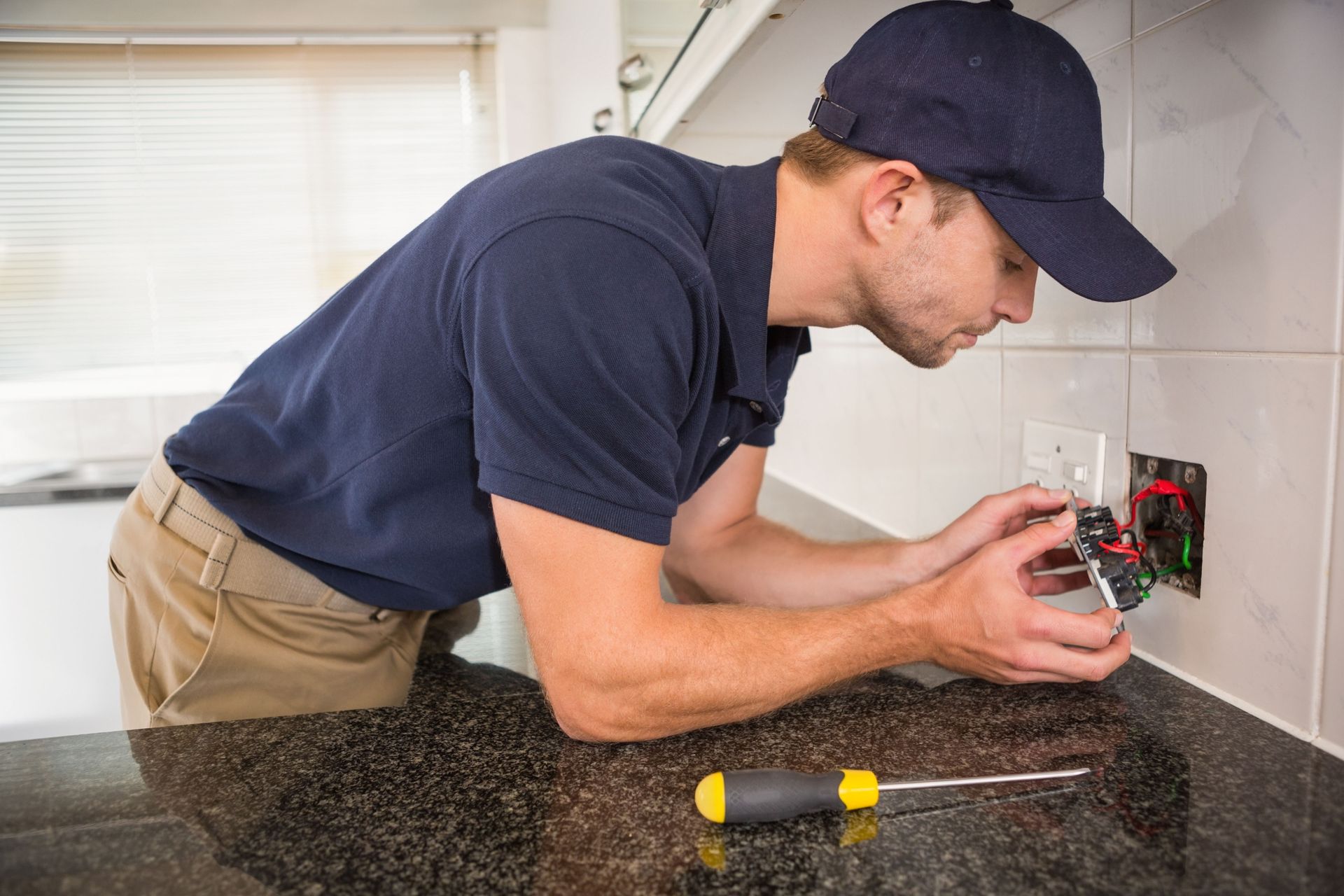
Hot or discolored switches and outlets can indicate faulty wiring or overloaded circuits. Such conditions may result in electrical arcing or sparking, which poses a risk of electrical fires. Even if the outlet or switch appears to function normally, these physical changes are indicative of underlying problems. Regular inspections within maintenance routines can help detect these early signs, allowing for timely resolution of the root causes. Homeowners should never overlook these signs, as they are often indicative of immediate electrical safety concerns.
3. Getting Professional Electrical Inspections
3.1 Frequency of Professional Inspections
Conducting regular professional electrical inspections is a best practice for maintaining a home's electrical safety. For optimal safety, it is advisable to schedule these inspections annually or whenever significant renovations or additions occur. Such inspections help identify hidden issues that may not be apparent through visual assessments alone. Timely interventions can prevent potential hazards and costly repairs. Regularly scheduled professional inspections contribute significantly to long-term safety and efficiency.
3.2 What to Expect During an Inspection
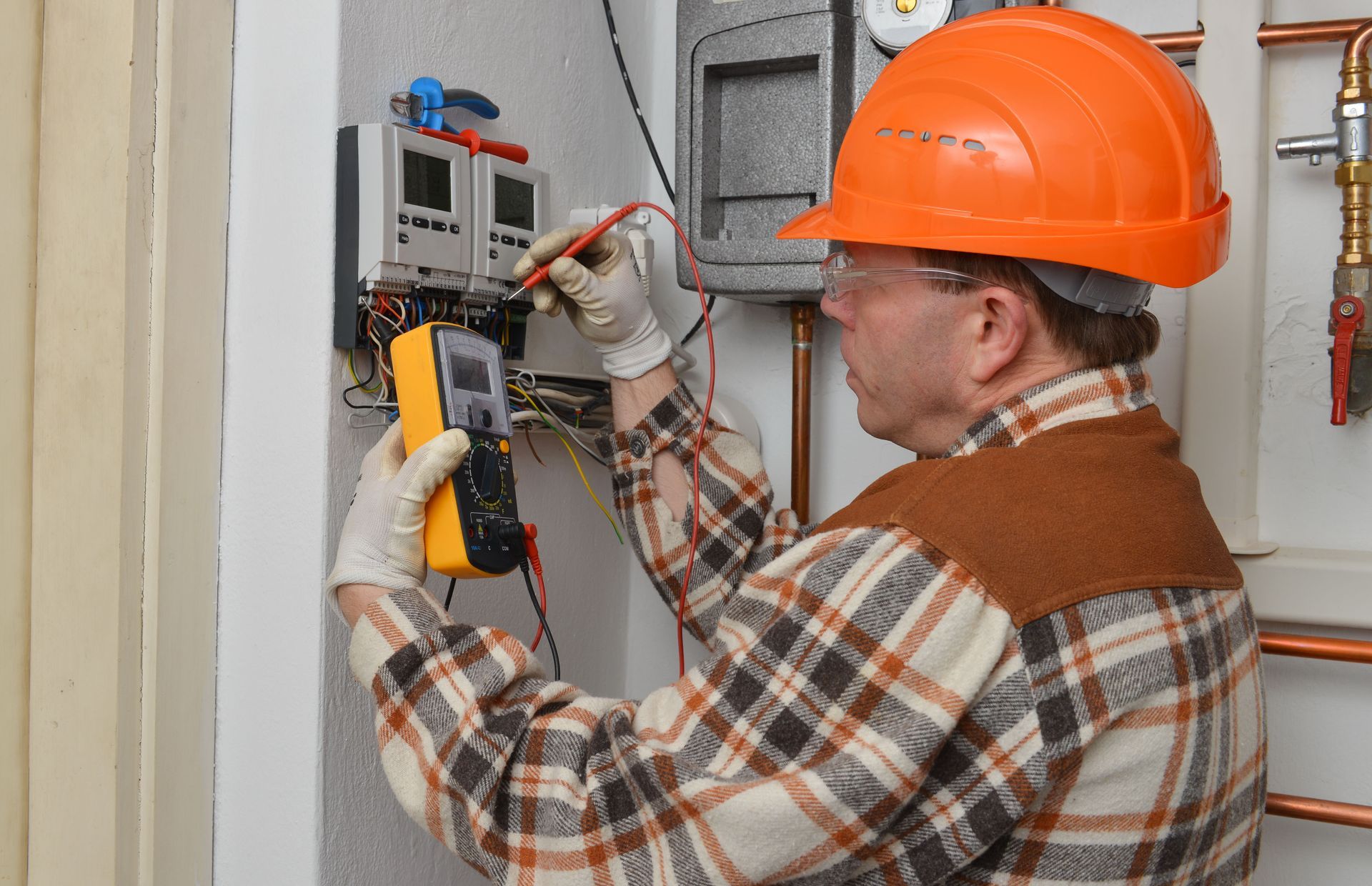
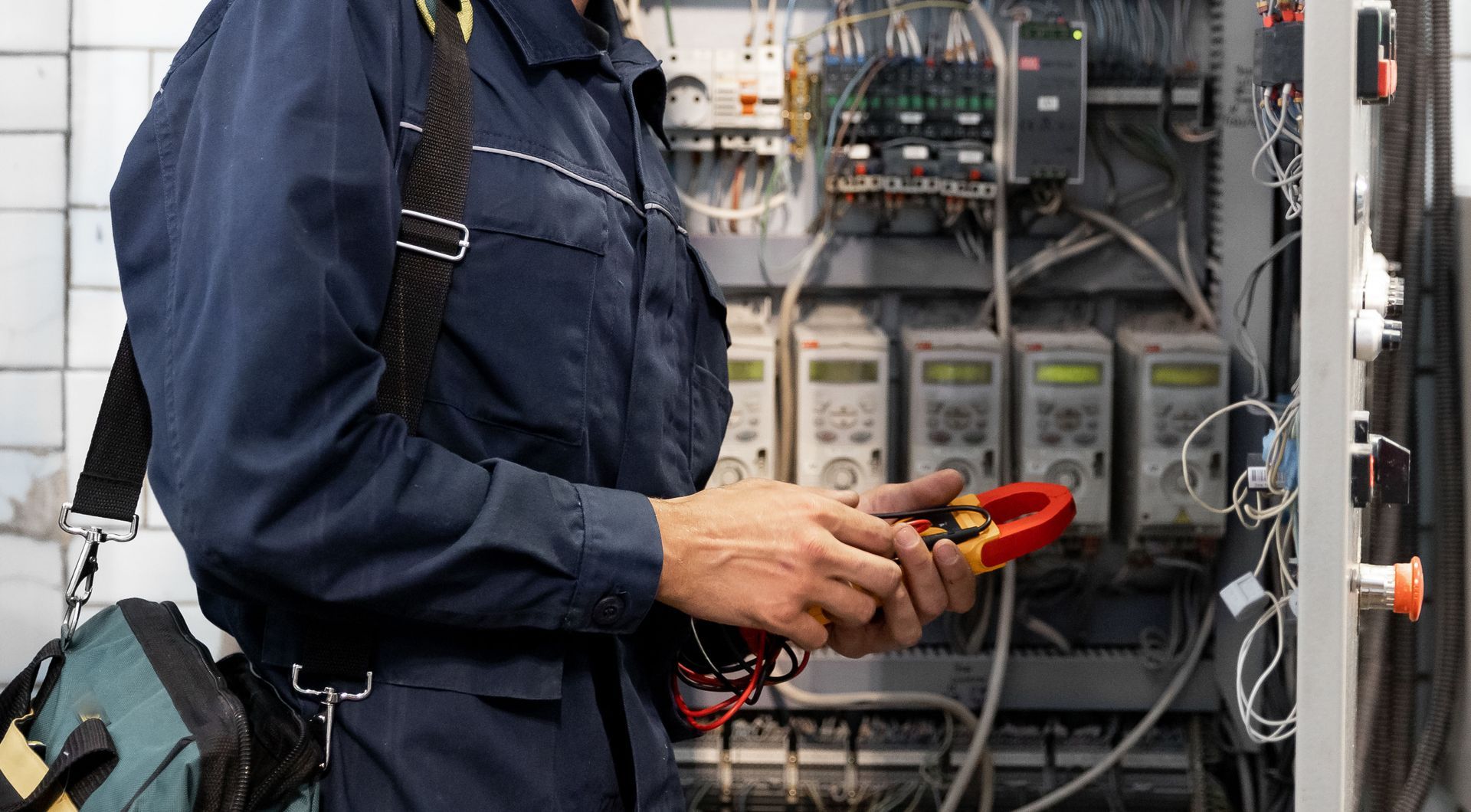
During a professional electrical inspection, the residential electrician will evaluate the entire system, from the electrical panel and wiring to outlets and appliances. They will check for compliance with current safety standards and look for signs of wear, damage, or potential hazards. The results of the inspection provide a snapshot of the system's overall health and can guide necessary repairs or upgrades. Homeowners can expect recommendations for addressing existing issues and advice on maintenance practices to forestall future problems. This comprehensive evaluation ensures a well-functioning, safe electrical system.
3.3 Choosing a Qualified Electrician
Choosing a qualified residential electrician is paramount for securing reliable and effective maintenance and repairs. It is essential to verify credentials, such as licensing and certifications, and to seek recommendations or reviews from previous clients. A qualified professional brings expertise that ensures work is done safely and adheres to current electrical codes. Open communication and a transparent approach are important aspects to look for in a professional service. Homeowners should prioritize choosing a residential electrician who is both skilled and trustworthy to manage their residential needs.
3.4 Understanding Inspection Reports
Understanding an electrical inspection report involves interpreting detailed findings on the condition of a home's electrical system. The report will include identified issues, their potential implications, and suggested actions to address them. Homeowners should review the report carefully, ask questions to clarify uncertainties, and prioritize recommended repairs or maintenance tasks. Reports serve as a guideline for immediate fixes and long-term maintenance strategies. This understanding supports the informed decision-making crucial for maintaining a safe and efficient electrical system.
Understanding the complexity of residential electrical systems and staying alert to warning signs can significantly augment home safety. Upgrading systems in line with modern electrical codes and embracing innovative energy solutions can further enhance this safety and efficiency. Homeowners are encouraged to adopt a proactive approach to electrical maintenance, ensuring a safe, functional, and efficient living environment. With proper care and attention, the longevity and reliability of a home's electrical system are assured. If you're looking for a professional residential electrician, contact Integrity Electric today.