Smarter Homes Start Here: Benefits of Expert Automatic Lighting Control Installation
In a world where smart home technology is becoming increasingly integral to our daily lives, optimizing the way we use and manage our home lighting systems is paramount. The advent of automatic lighting control systems marks a significant step in smarter living, offering a range of benefits from energy efficiency to enhanced control and security. This article delves into the advantages of professional automatic lighting control installation, demonstrating why it's considered a foundational element in today's connected homes.
Enhanced Energy Efficiency
Automatic lighting controls play a pivotal role in optimizing energy consumption by ensuring lights are used only when necessary. Through sensors and timers, these systems adjust lighting based on usage patterns and occupancy, eliminating wasteful energy usage. For example, lights can be programmed to turn off automatically when a room is unoccupied, cutting down on energy waste. This optimization translates to a significant reduction in electricity bills over time. Environmental benefits accrue as well, as reduced energy demand leads to decreased reliance on non-renewable power sources.
Working with an experienced
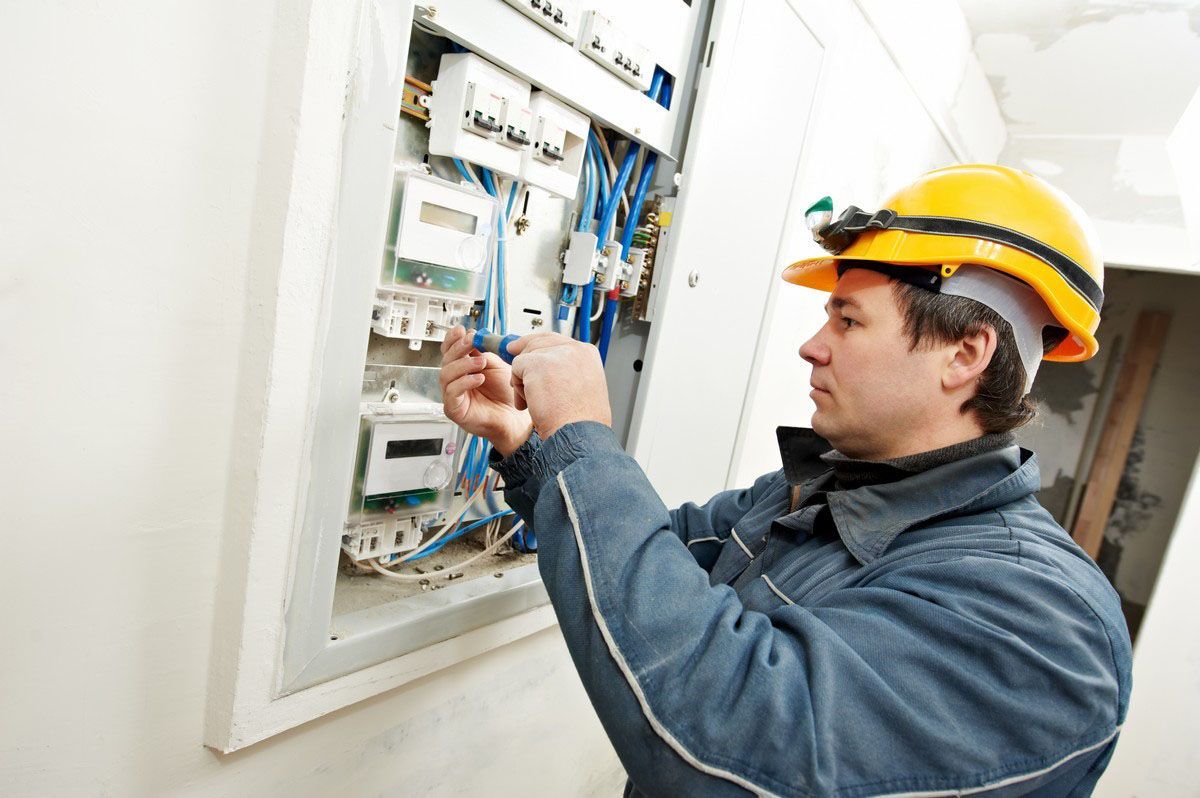
electrician can help homeowners select and install automatic lighting controls that match their property's electrical system and specific needs. An electrician can also help determine where occupancy sensors, timers, and other controls will provide the greatest benefits. Proper installation allows these features to work together efficiently while supporting the home's existing electrical infrastructure.
The shift to smart lighting systems is both a personal and planetary win, with implications that reset the norms of energy usage. Automated systems minimize human error, negating the common oversight of leaving lights on unintentionally. Additionally, sensors can dynamically adjust lighting based on natural sunlight, further optimizing energy usage throughout the day. Such proactive energy management aligns with sustainability goals, encouraging more conscientious consumption practices. By integrating these systems, users gain greater control over their energy footprint.
Energy efficiency via automated lighting is not just about savings but also about contributing to safer home environments. According to the Electrical Safety Foundation International, home electrical fires account for about 51,000 fires each year. Reducing unnecessary electrical loads through intelligent lighting can help limit some of the risks associated with excessive electrical use. An electrician can assess the electrical components involved in a lighting upgrade and address potential issues before installing new controls. This aspect of safety, coupled with the environmental and financial benefits, makes energy-efficient lighting a practical solution for modern households.
Effective management of lighting can also contribute to reducing heat output, thereby lessening the need for air conditioning. Traditional lighting solutions, particularly incandescent bulbs, produce substantial heat, taxing cooling systems and driving up energy costs. Automatic lighting controls can be paired with energy-efficient LED systems that emit minimal heat, which translates into decreased cooling demands. This not only cuts down on electricity bills but may also reduce the workload placed on HVAC systems. In climates where cooling can constitute a significant portion of energy consumption, these savings can make a noticeable difference.
In addition to financial relief, the environmental impact of reduced heat production is noteworthy. Lower energy usage directly correlates to decreased greenhouse gas emissions, helping homeowners make more environmentally conscious choices. Reduced reliance on cooling systems also lowers overall household energy consumption. Such choices reflect the larger shift toward more efficient home technology and responsible resource use.
The financial benefits of automatic lighting controls can be significant, particularly in terms of long-term cost savings. By curbing unnecessary energy consumption, homeowners may experience a reduction in electricity bills. Smart systems can offer detailed analytics and insights, empowering users to identify additional areas of energy waste. Over time, these savings can accumulate, allowing homeowners to put their resources toward other smart home upgrades or everyday expenses.
Investment in automated lighting solutions represents an efficient allocation of resources, ultimately helping offset installation costs through ongoing energy savings. A qualified electrician can explain available system options and help homeowners choose controls that fit their budget and goals. Incentives and rebates for energy-efficient upgrades may also help reduce the initial expense of installing smart lighting technology.
Increased Convenience and Control
The ability to control home lighting remotely has emerged as a hallmark of convenience in modern smart homes. With internet-connected devices and mobile applications, homeowners can manage lighting from virtually anywhere. This level of control ensures that lighting can be adjusted to meet changing needs while enhancing comfort and security. Remote access is not just about convenience; it also supports energy conservation by allowing users to verify and adjust settings as needed. In instances of travel or late returns, lighting can be preset to maintain comfort and provide an occupied appearance.
Moreover, the flexibility of remote access brings other convenience factors into play, such as scenario-specific adjustments. Imagine returning home to a pre-lit pathway or having lights dimmed as evening approaches—such comfort can be easily orchestrated through an app. This control extends beyond immediate needs to forming lasting preferences and scenes that align with daily routines. The ability to manage lights remotely also makes it easier to reduce unnecessary energy consumption when away from home.
Remote lighting management underlines the significance of smart systems as enablers of modern living. Beyond immediate functional benefits, it provides homeowners with greater autonomy and adaptability. Integrating remote access within ordinary routines makes lighting more responsive to the needs of each household. An electrician can help connect automatic lighting controls with compatible smart-home components, allowing homeowners to get more value from their technology while maintaining appropriate electrical connections.
Smart lighting systems offer a level of personalization previously unattainable with traditional setups. Homeowners can tailor lighting controls precisely to their needs, preferences, and even moods. Whether creating a vibrant atmosphere for a social event or a soft ambiance for relaxation, personalized settings are within reach. The flexibility of these settings extends beyond aesthetics to functional applications like task-specific lighting, enhancing productivity and comfort. By aligning lighting with individual needs, homes can become more adaptive environments.
In addition to functional personalization, smart lighting can influence the atmosphere of a space. Customized lighting can support relaxation, concentration, or social activities depending on the selected settings. Home environments can accommodate different lifestyles and preferences through adjustable brightness, color temperature, and automated scenes. With these systems, lighting becomes more than a basic utility and can contribute to the overall experience of a room.
Schedule automation in lighting systems adds another dimension of convenience and efficiency to home management. By automating lighting schedules based on daily routines, lighting can support comfort and convenience with minimal manual input. Smart systems enable customization of light schedules—whether to mimic occupancy for security purposes or to create a comfortable evening environment. Automated scheduling streamlines daily routines and makes transitions between activities easier.
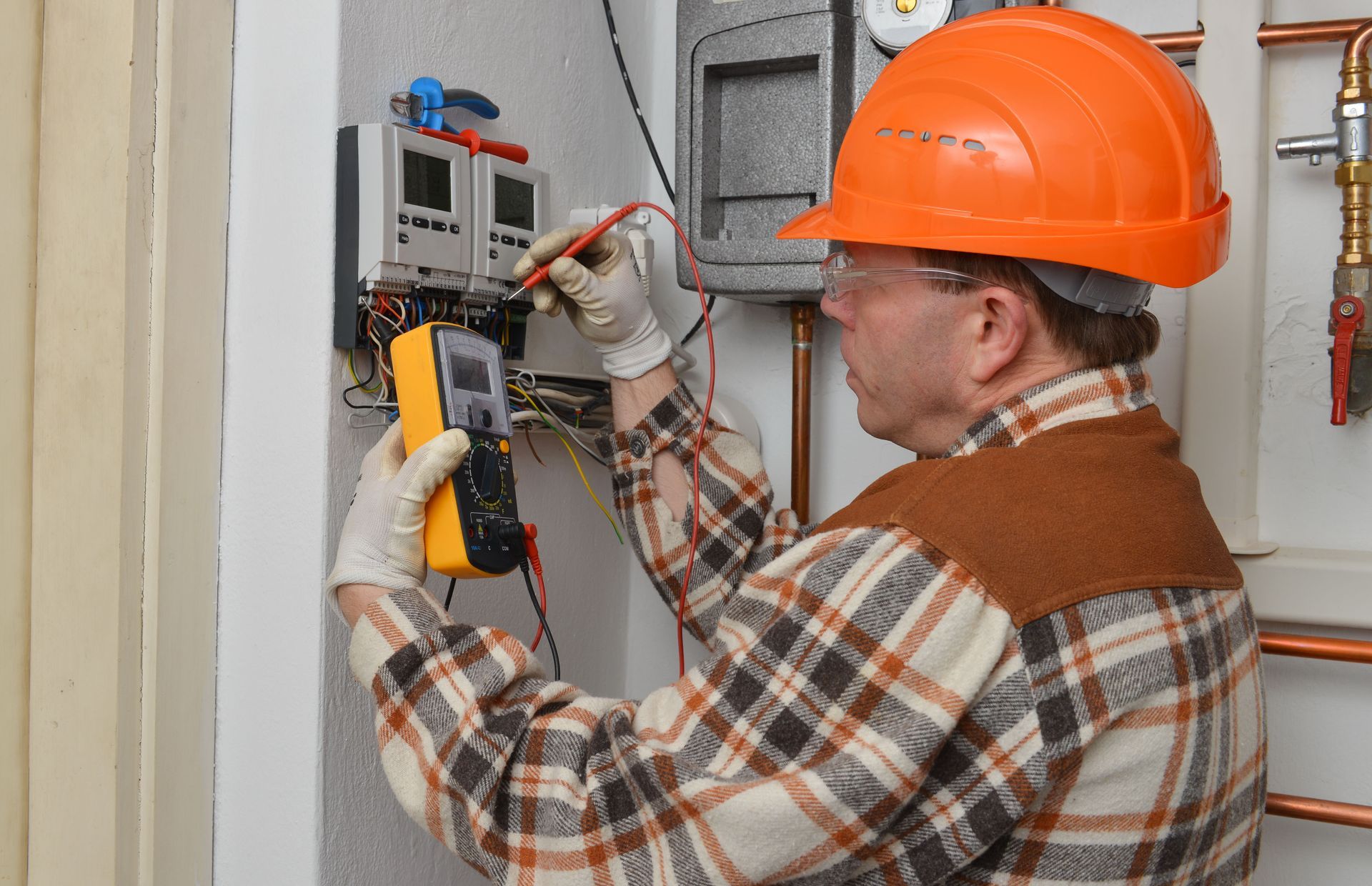
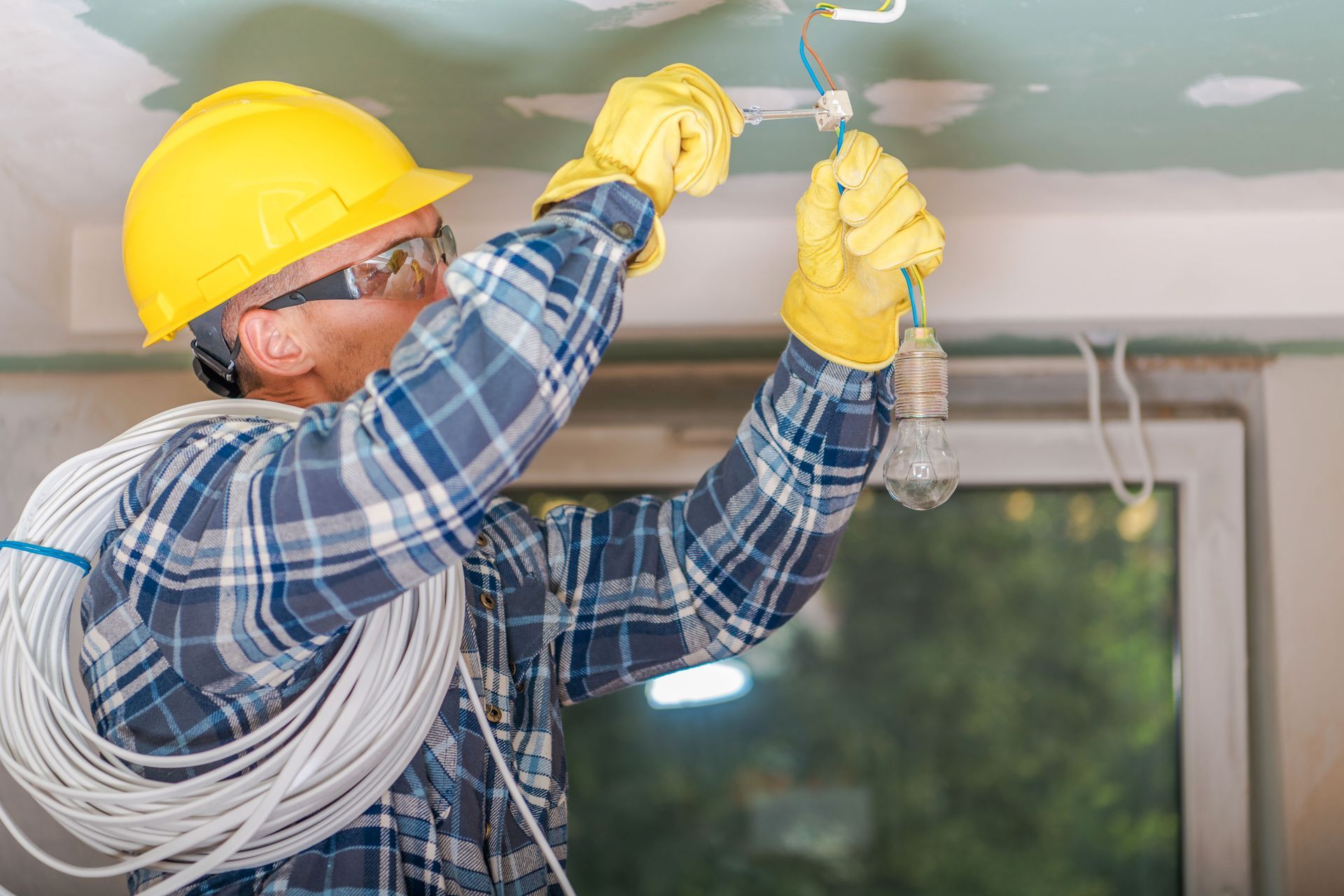
An electrician can assist with configuring and installing the electrical components needed to support automated schedules, sensors, switches, and smart controls. Professional installation can also help homeowners determine whether existing switches, wiring, and fixtures are compatible with their preferred system. This preparation can make the transition to automated lighting more straightforward.
This aspect of automation helps align living environments with the natural habits of the occupants, fostering a dwelling that responds intuitively to its inhabitants. The ability to tailor schedules ensures that homes are lit appropriately, enhancing functionality and ambiance across varying contexts. The impact is twofold: heightened quality of life and decreased reliance on manual intervention, freeing occupants to focus on other daily priorities. Schedule automation constitutes a practical step toward intelligent living and more responsive home management.
Professional automatic lighting control installation offers homeowners a practical way to make their spaces more efficient, convenient, secure, and personalized. From reducing energy waste to providing remote access and customized schedules, these systems bring greater flexibility to everyday living. By working with a qualified electrician, homeowners can select and install lighting controls that complement their electrical system and smart-home goals. As technology continues to evolve, automated lighting can be a valuable addition for those looking to improve the functionality and comfort of their homes. Contact Integrity Electric today for more information.