Electrical Safety First: How Professionals Reduce the Risk of House Fires
Modern residential properties rely heavily on continuous electrical power to run essential appliances, climate control systems, entertainment centers, home offices, and charging stations. However, as household energy demands increase, hidden electrical infrastructure behind walls, inside ceiling voids, and within main breaker panels experiences continuous thermal and electrical stress. Aging wiring, overloaded circuits, improper DIY splices, corroded connections, and outdated safety components represent significant fire hazards that put lives and property in immediate danger. Because electrical currents generate hidden heat as they travel through conductors, minor wiring flaws or loose terminal screws can smolder quietly for extended periods before igniting surrounding wooden framing, insulation, or drywall. Prioritizing proactive system inspections, code-compliant upgrades, and proper maintenance serves as the fundamental defense against catastrophic domestic electrical fires.
Preventing electrical hazards requires technical expertise, specialized testing equipment, and a thorough understanding of safety regulations. Attempting to modify, repair, or extend home electrical circuits without formal trade training increases the risk of electrical shock, short circuits, arc faults, and structural fires. Certified electrical experts possess the diagnostic tools and practical experience required to identify invisible hot spots, calculate load capacities accurately, and implement protective safety mechanisms throughout your living spaces. Partnering with a licensed electrical contractor ensures that your home’s wiring infrastructure adheres strictly to municipal building codes and national safety standards. Investing in professional electrical evaluation preserves structural integrity, protects valuable appliances, and provides invaluable peace of mind for your entire household.
Identifying Hidden Thermal Hot Spots and Faulty Wiring Connections
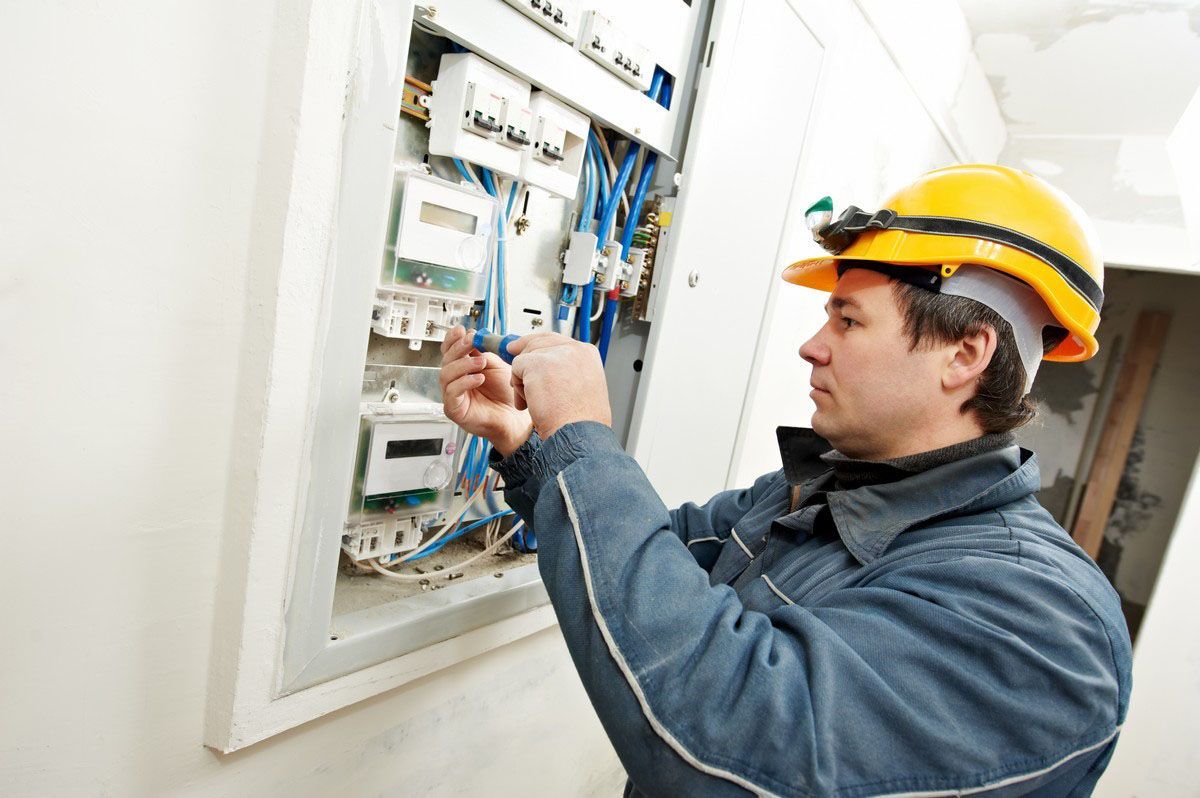
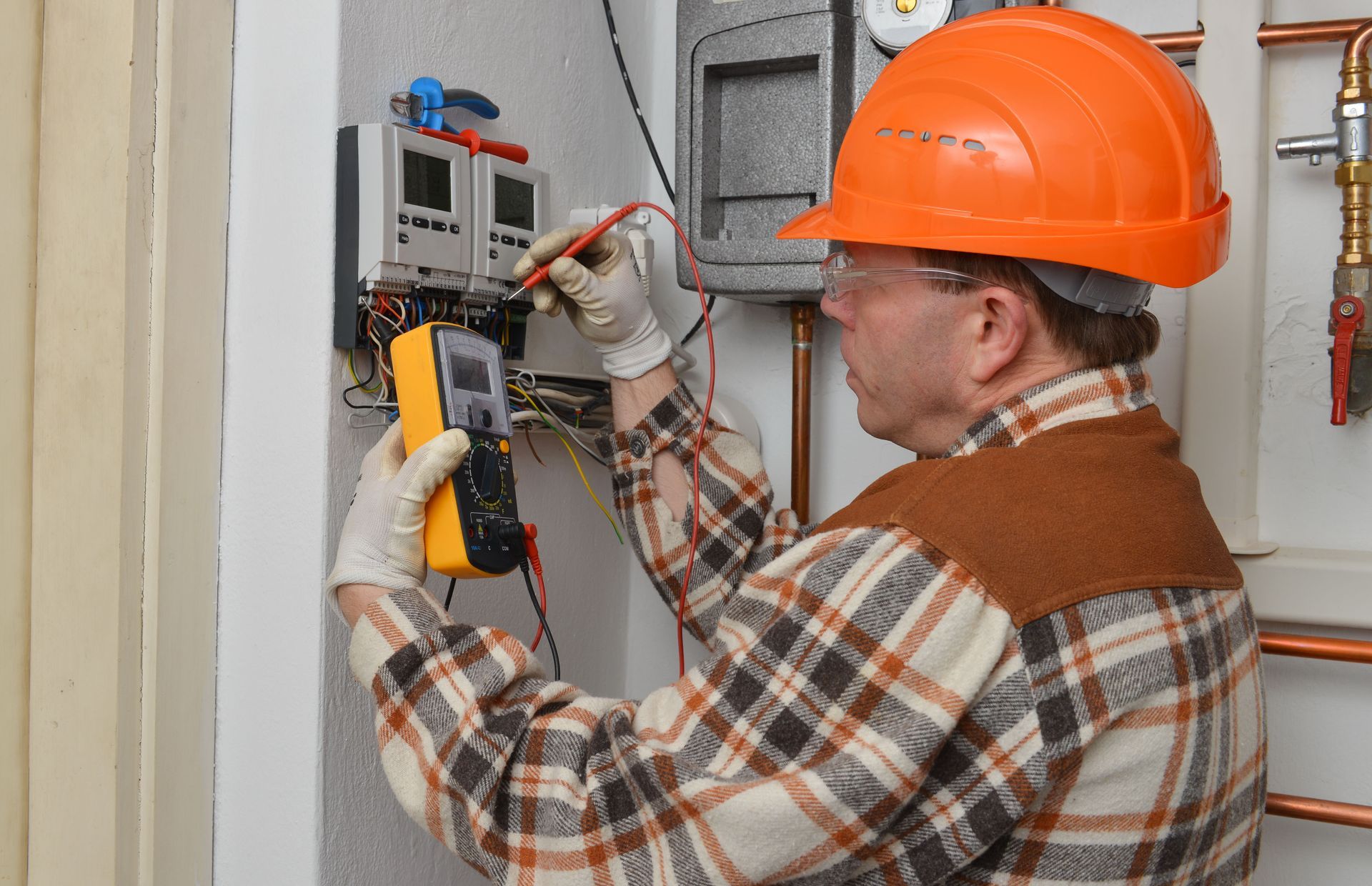
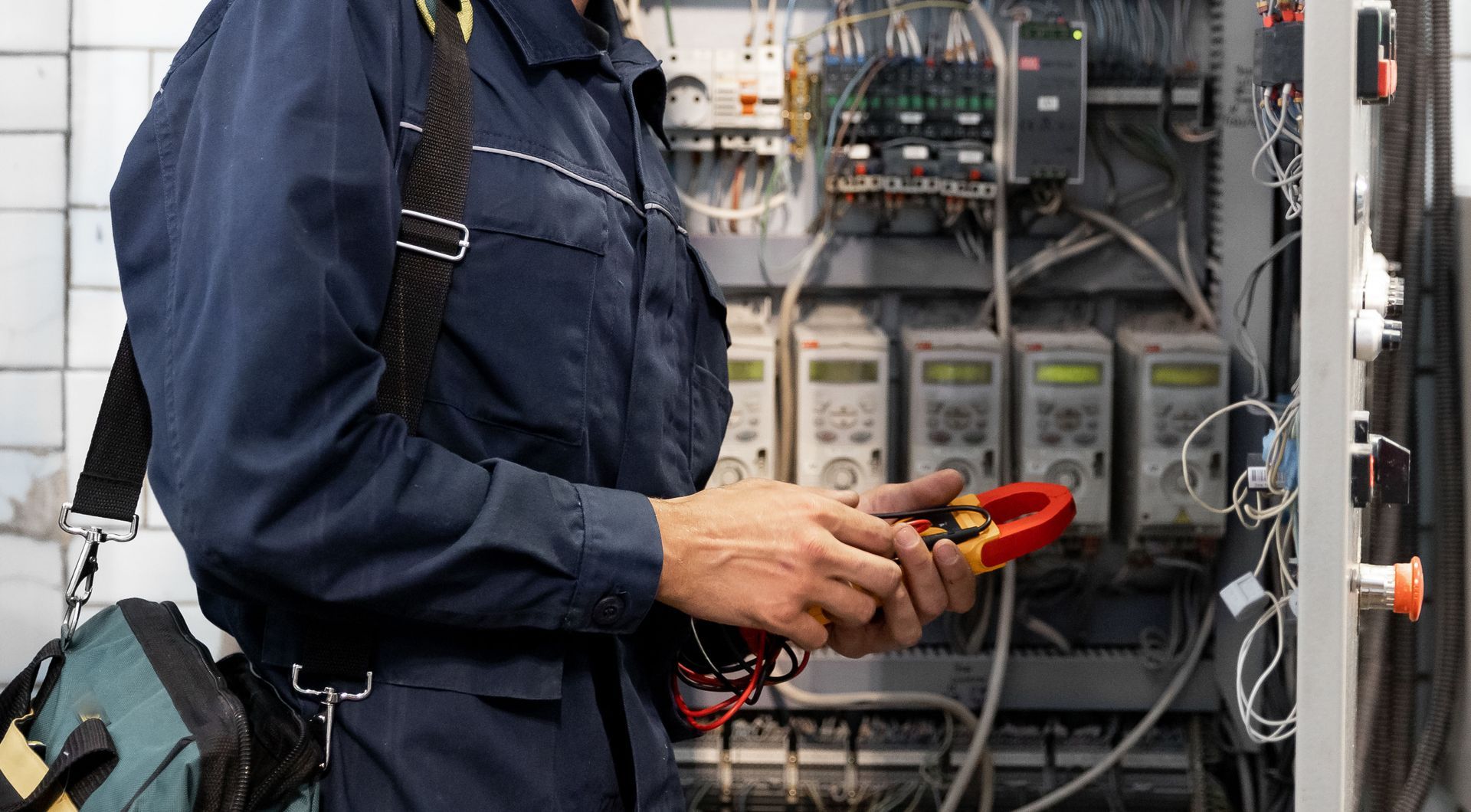
Identifying concealed wiring hazards behind drywall and inside junction boxes requires specialized diagnostic technology operated by trained professionals. Thermal imaging cameras and advanced circuit analyzers allow technicians to locate loose terminal connections, corroded wire splices, and overheating conductors without causing destructive wall openings. Loose or improperly twisted wire connections create high electrical resistance, generating localized heat that can melt wire insulation and ignite surrounding combustible building materials.
Understanding national fire safety statistics underscores the critical importance of regular wiring evaluations in residential properties. According to Electrical Safety Foundation International, electrical distribution systems are the third leading cause of home structure fires. Engaging a qualified electrical contractor to perform thorough thermal diagnostics isolates high-resistance connections early, allowing technicians to repair faulty splices and replace degraded wiring before hazardous thermal conditions develop into active structure fires.
Installing Modern Arc-Fault Circuit Interrupters and Surge Protectors
Installing modern arc-fault circuit interrupter breakers provides advanced electronic protection against unintended electrical arcs that standard circuit breakers fail to detect. Electrical arcing occurs when current jumps across gaps in damaged wire insulation, loose terminal screws, or frayed appliance cords, generating intense heat sparks that reach thousands of degrees. Standard breakers respond primarily to sustained current overloads, whereas specialized arc-fault devices continuously monitor current waveforms to shut down power instantly upon detecting dangerous arcing patterns.
Additionally, whole-house surge protection devices defend sensitive home electronics and internal wiring against sudden voltage spikes caused by lightning strikes or utility grid switching. Voltage surges damage delicate internal insulation, creating silent hot spots that degrade over time into serious fire risks. Contracting a certified electrical contractor ensures that arc-fault breakers and primary surge protectors are integrated correctly into your main panel, creating a multi-layered electronic defense system against arcing hazards and destructive voltage spikes.
Upgrading Outdated Electrical Panels and Overloaded Distribution Systems
Upgrading legacy main breaker panels and undersized subpanels removes major structural bottlenecks that compromise modern home electrical safety. Older properties were originally wired to support minimal electrical demands, lacking the service capacity needed for high-draw modern appliances, electric vehicle chargers, heat pumps, and extensive kitchen equipment. Running modern high-demand electronics through outdated service panels causes continuous breaker tripping, panel overheating, and rapid insulation degradation across main feeder lines.
Furthermore, certain legacy panel brands manufactured decades ago contain known design defects, failing to trip during short circuits or overloads and allowing lethal electrical currents to flow unchecked through household walls. Replacing obsolete service panels with modern, high-capacity equipment ensures proper busbar conductivity, balanced circuit distribution, and reliable automatic trip functionality. Sourcing an experienced electrical contractor guarantees that your panel upgrade is sized accurately, permitted properly, and installed according to strict safety regulations.
Replacing Knob-and-Tube Wiring and Degraded Aluminum Conductors
Replacing obsolete wiring materials represents a critical home safety upgrade for older residential structures containing legacy materials. Early installations frequently utilized knob-and-tube wiring, an ungrounded system suspended on porcelain insulators that lacks modern plastic insulation and thermal rating capacity. Over decades of use, cloth insulation surrounding knob-and-tube wires becomes brittle, flaking off and leaving bare live conductors exposed directly to structural framing and attic insulation.
Similarly, properties constructed with branch-circuit aluminum wiring present unique fire risks due to aluminum's tendency to expand and contract rapidly under thermal loads. This continuous thermal movement loosens screw terminals, creating high-resistance connections, oxidation buildup, and elevated fire risks at outlets and switches. Partnering with a skilled electrical contractor ensures that hazardous aluminum connections are remediated using approved compression fittings or completely rewired with modern, safe copper conductors throughout the entire building.
Ensuring Correct Grounding Infrastructure and Bonding Safety
Ensuring proper system grounding and structural metal bonding establishes a safe, low-resistance path for stray electrical currents to bleed directly into the earth rather than through human bodies or building framing. Effective grounding systems utilize heavy-duty copper ground rods, water pipe bonds, and continuous grounding conductors connected directly to every outlet, appliance chassis, and metallic junction box across the property. Without proper grounding infrastructure, insulation failures or short circuits energize exposed metal appliance frames, posing severe shock and fire threats.
Additionally, installing ground-fault circuit interrupter outlets in moisture-prone zones like kitchens, bathrooms, basements, and outdoor living areas prevents electrical current leaks from causing lethal shocks or electrical fires. Ground-fault devices detect minute imbalances between hot and neutral currents, severing power in milliseconds if current strays from its intended path. Hiring a certified electrical contractor verifies that your home’s grounding rods, bonding jumpers, and ground-fault receptacles are tested thoroughly and installed to code standards.
Conducting Preventative Inspections and Routine Maintenance Audits
Conducting scheduled electrical safety audits serves as a proactive maintenance strategy that catches minor component wear before severe fire hazards emerge. Environmental factors like attic heat, humidity, vibration, pest activity, and physical stress gradually loosen terminal screws, crack switch faceplates, erode wire insulation, and weaken breaker busbar connections over time. Periodic technical evaluations verify that all safety mechanisms operate within precise manufacturer parameters and national safety standards.
During a comprehensive safety inspection, technicians check main lug torque specs, test circuit breaker trip response times, verify outlet polarity, inspect attic wire runs for rodent damage, and evaluate ground resistance metrics. Routine auditing identifies hidden hazards early, allowing homeowners to plan necessary maintenance systematically rather than reacting to emergency outages or fires. Scheduling a trusted electrical contractor for recurring safety evaluations maintains long-term system reliability, preserves property values, and keeps your family safe year after year.
At Integrity Electric, we are deeply committed to protecting your home, preserving your family’s safety, and delivering superior residential electrical solutions through master technical craftsmanship, top-grade materials, and dedicated customer care. Our team of licensed electrical specialists brings extensive industry expertise, state-of-the-art diagnostic equipment, and meticulous attention to detail to every safety inspection, panel upgrade, and complete home rewiring project we execute across our community. We take immense pride in evaluating your unique electrical infrastructure, pinpointing hidden fire hazards without unnecessary wall damage, recommending long-lasting safety improvements, and executing flawless technical installations that return complete reliability and safety to your property. Contact us today to schedule your comprehensive home electrical evaluation and discover the true value of working with dedicated local electrical specialists.